 Ever-Power Group


Five heat treatment methods for steel gears: normalizing, quenching and tempering, surface quenching, carburizing quenching and nitriding
Publication time: 2020-05-14 Website: https://ptogearboxes.com Edit: EP
The five heat treatment methods of steel gears: normalizing, quenching and tempering, surface quenching, carburizing quenching and nitriding are described below for reference.
1. Normalizing
Not requiring high mechanical strengthgearMedium carbon steel can be normalized, and large diameter products can be normalized by cast steel.
Normalizing can eliminate internal stress, refine grains, and improve mechanical properties and cutting performance.
2. Tempering
The hardness of the tooth surface after quenching and tempering is generally 220-280HBS.
Because the hardness is not high, the gear tooth finishing can be carried out after heat treatment.
Quenching and tempering is generally used for medium carbon steel and medium carbon alloy molybdenum, such as 45, 40Cr, 35SiMn steel and so on.
3. Surface hardening
After surface quenching, the tooth surface hardness is generally 40-55HRC.It is characterized by anti-fatigue pitting corrosion, high anti-adhesive ability and good wear resistance.
Commonly used in medium carbon steel and medium carbon alloy steel, such as 45, 40Cr steel, etc.
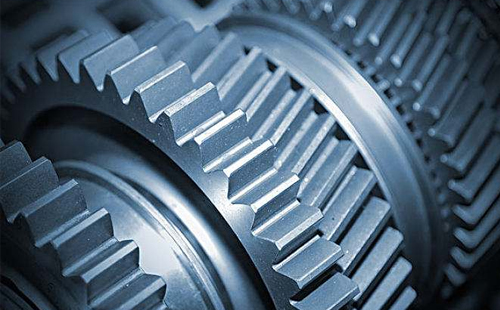
Because the tooth center part is not hardened, the gear still has enough toughness to withstand a small impact load.
4. Carburizing and quenching
After carburizing and quenching, the tooth surface hardness can reach 56-62HRC, while the gear core still maintains high toughness. The gear teeth have high bending strength and tooth surface contact strength, and good wear resistance. It is often used for impact loads. gear drive.
Commonly used in low-carbon steel and low-carbon gold-containing steel, such as 20, 20Cr steel, etc.
After the gear is carburized and quenched, the gear teeth are deformed and should be ground.
5. Nitriding
It is a surface chemical heat treatment.
No other heat treatment is required after nitriding, and the tooth surface hardness can reach 700-900HV.
Due to the high hardness of the gear after infiltration treatment, low process temperature and small deformation, it is used forInternal gearAnd products that are difficult to grind.
It is commonly used for nitriding steel containing lead, molybdenum, and other alloying elements, such as 38CrMoAI.
The above is the description of the 5 heat treatment methods for steel gears, including but not limited to, welcome to add if there are any deficiencies.
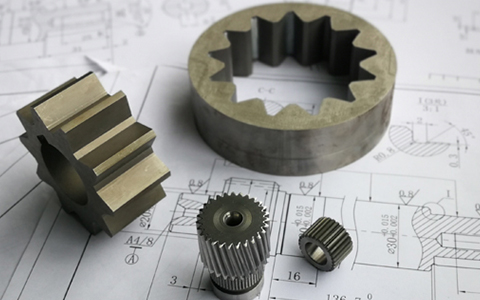
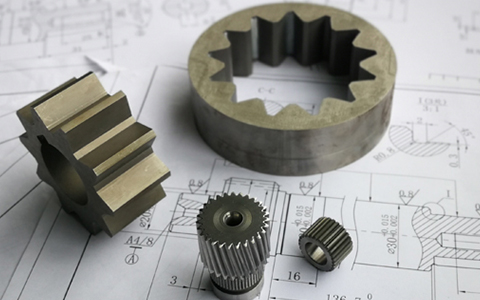

![Oil pump gear [customized]](ptogearboxes/xiaoE/upload/file/img/2020/10/5f9a8130d4e57.jpg)
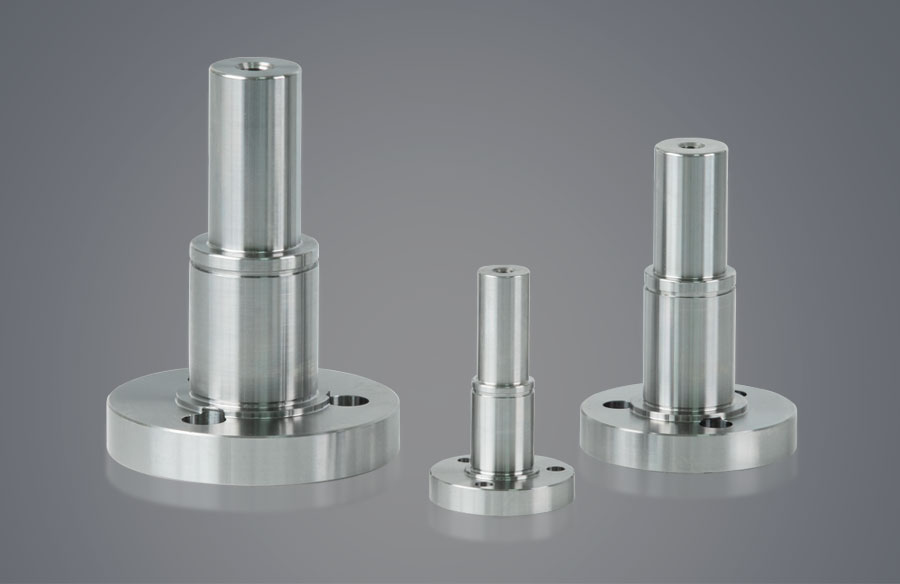
![Encoder gear [customized]](ptogearboxes/xiaoE/upload/file/img/2020/10/5f9a7c8ae4b27.jpg)