 Ever-Power Group


Common methods of gear processing (for reference)
Publication time: 2020-06-16 Website: https://ptogearboxes.com Edit: EP
Several methods commonly used in gear processing: gear shaping, gear hobbing, gear grinding, gear shaving and gear honing are as follows, for reference.
1. Gear shaper
When machining double or triple gears, because the distance between the two wheels is very small, forming milling or gear hobbing processing cannot be used; gear shaping processing is created through production practices in this case.
The gear shaper is a gear that produces a cutting edge by grinding the front and rear angles on the teeth. When shaping the gear, the gear shaper is required to make up and down reciprocating cutting motions. At the same time, it is mandatory that the gear shaper and the tooth blank must be strictly maintained. A pairInvolute gearThe meshing relationship.
2. Gear hobbing
Gear hobbing can directly process gears with 8-9 grades of precision, and can also be used for roughing and semi-finishing of products above grade 7 to obtain higher motion accuracy.
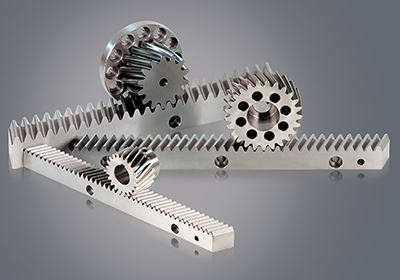
Gear hobbing has high productivity and wide application.It can be regarded as a gear with no meshing gap andracktransmission.
3. Grinding teeth
Gear grinding also uses the principle of mandatory involute meshing to generate machining or uses precise involute tooth profile profiling for profiling.
4. Shaving teeth
Made of high-speed steel in a precisehelical gearOn the tooth surface, slot in the involute direction to form a blade, and after hardening it, a shaving cutter is formed;
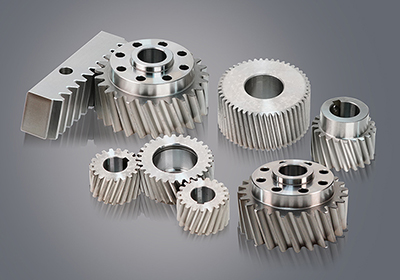
Then leave a certain margin on the tooth surface after rolling and insertingMachining gear, To force them to mesh at a certain speed ratio;
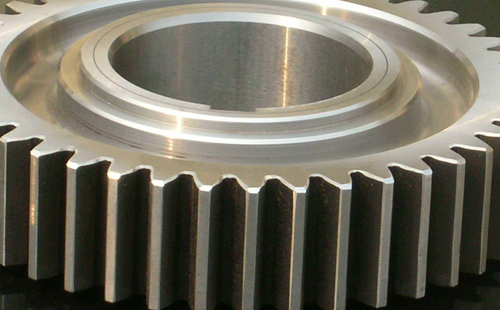
At this time, due to the relative sliding of the gear shaving cutter and the tooth surface of the processing gear along the tooth width direction, the cutting edge of the gear shaving cutter can gradually scrape off the margin left on the gear tooth surface;
Because the involute tooth profile of the shaving cutter is accurate, it can shave a more accurate tooth profile than rolling and inserting, and the tooth surface smoothness is also improved.
5. Honing
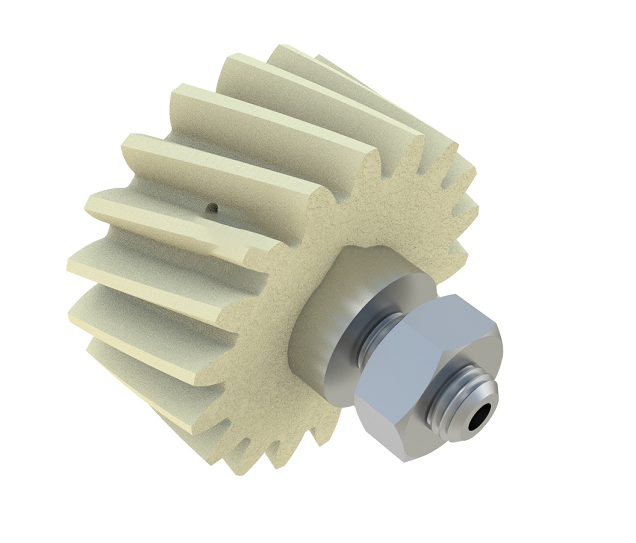
After the gear is quenched, it will inevitably be deformed to reduce the accuracy of the product. In addition, there are black skins on the tooth surface. At this time, the shaving knife will not be able to scrape, so the tool must be improved, using emery abrasive and adding epoxy resin. Such materials are cast or hot pressed into helical gears, that is, honing wheels instead of shaving cutters to process the quenched gears, which is gear honing.
The various movements of the machine tool during gear honing are exactly the same as those during gear shaving. The difference between them is that the tools are different.
The above is the description of the common methods of gear processing, including but not limited to, if you have more questions or related needs, you can consult EP Gear Company for free.
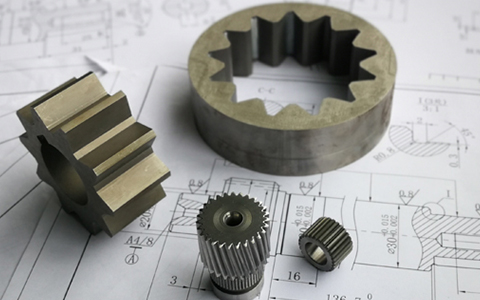

![Oil pump gear [customized]](ptogearboxes/xiaoE/upload/file/img/2020/10/5f9a8130d4e57.jpg)
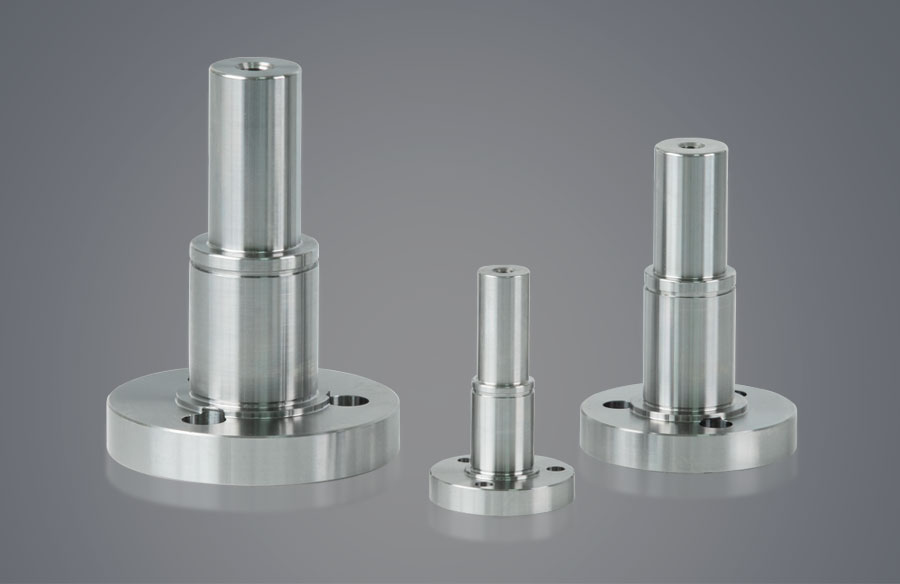
![Encoder gear [customized]](ptogearboxes/xiaoE/upload/file/img/2020/10/5f9a7c8ae4b27.jpg)