 Ever-Power Group


How to choose modulus in metal spur gear design?
Publication time: 2020-06-05 Website: https://ptogearboxes.com Edit: EP
The influence of gear modulus on transmission accuracy (output torque curve) is almost the first. Within a certain range, the smaller the modulus, the higher the transmission accuracy, the larger the modulus, and the higher the gear strength.The following are metalsSpur gearRelevant instructions for modulus selection are for reference.
Precision gearThe transmission design is very cumbersome. In most cases, the smallest modulus that meets the strength requirements can be selected.
The design of metal gears is very different from that of plastic gears. Different materials (modulus, yield limit), the output torque curve is very different, but the difference in the force law (tooth surface/tooth root) is very small, and the modulus is generally only Affect the force on the tooth root but not the force on the tooth surface.
1. The influence of modulus on transmission accuracy (no friction)
The fluctuation rate of torque needs to be considered, not the average torque, because precision transmission pays more attention to the fluctuation range of output torque. It is necessary to analyze and calculate the fluctuation range of output torque with different modulus to obtain the modulus with the highest transmission accuracy.
2. The influence of friction on transmission accuracy
Considering that the friction coefficient is 0.1, it is necessary to calculate the torque fluctuation caused by the friction of different moduli.Similarly, consider the fluctuation rate of torque loss, rather than the average (or median) torque loss, because precision transmission pays more attention to the fluctuation range of output torque, and the most suitable gear modulus can be obtained.
The smaller the modulus, the smaller the fluctuation rate of torque loss due to friction.If you want to control the torque fluctuation within a certain range, the maximum modulus selection will be different.
3. The influence of modulus on transmission accuracy (with friction)
If the influence of tooth profile and material modulus in 1 and friction in 2 are considered at the same time, the final output torque curve can be obtained (assuming there is no manufacturing error).
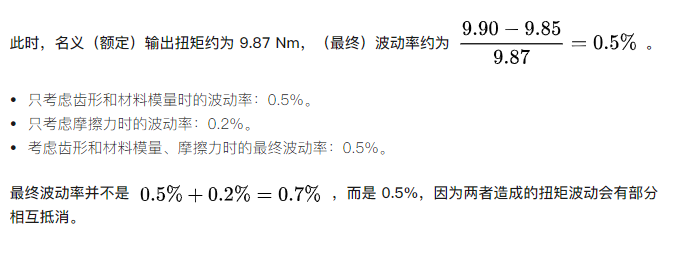
4. Highest transmission accuracy
0.5% torque fluctuation rate is not the highest transmission accuracy that gear design can achieve. There are many methods to improve design accuracy, such as modification, displacement, and non-standard tooth profile (ISO53:1998). Although profile A is the most common, The most versatile, but you can also design your own contours and build involutes).
In addition, the influence of machining errors on transmission accuracy can be quantitatively analyzed.
5. The influence of modulus on tooth surface/tooth root strength
Generally speaking, the greater the modulus, the higher the tooth root strength and the lower the tooth surface strength (but the reduction is small), and vice versa. Gear design often only needs to consider the influence of the modulus on the tooth root strength, and the design is complete Check the tooth surface strength afterwards.
Tooth surface/tooth root safety factor takes into account the characteristics of non-constant input torque and normal distribution, so it is more in line with the situation where the internal combustion engine is used as the input terminal and is not suitable for the motor as the input terminal.
Tooth surface/tooth root safety factor, and (calculated by finite element analysis) tooth surface/tooth root stress, the conclusions are slightly different.The tooth thickness calculated according to the tooth surface/tooth root safety factor is often more than 2 times the tooth thickness calculated based on the tooth surface/tooth root stress. If the input end is a motor, it is not recommended to follow the safety factor.
In addition, the relationship between tooth thickness and tooth surface/tooth root strength is often non-linear.
The above description is for reference only. For related technical issues, it is best to directly seek help from EP technicians.
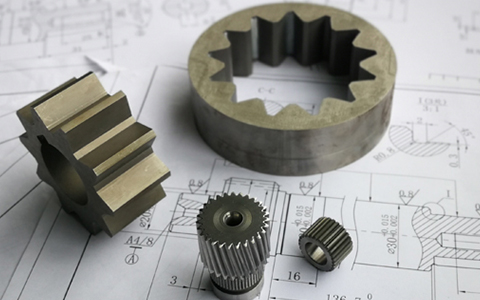
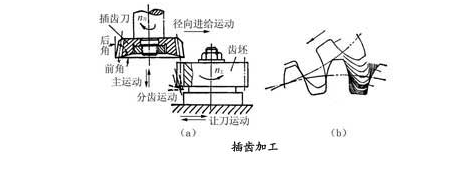
![Oil pump gear [customized]](ptogearboxes/xiaoE/upload/file/img/2020/10/5f9a8130d4e57.jpg)
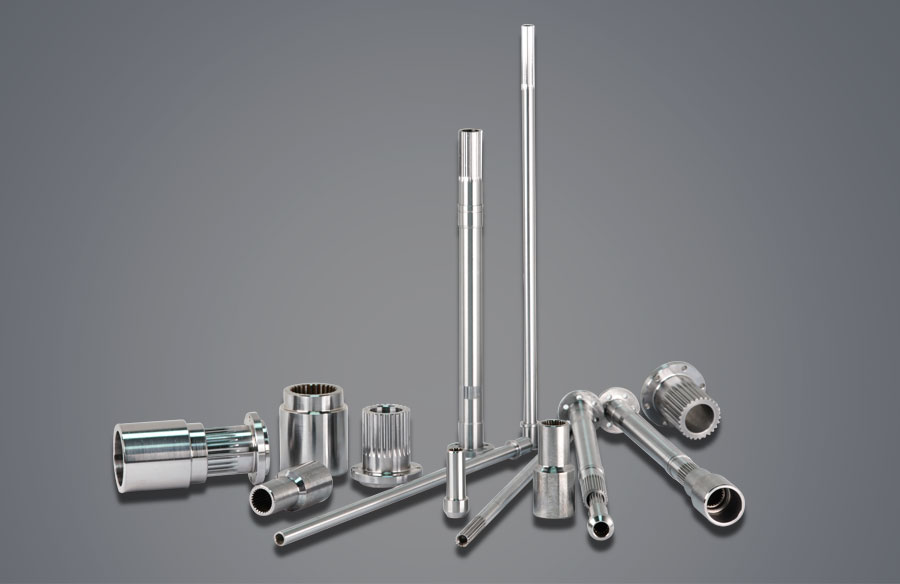
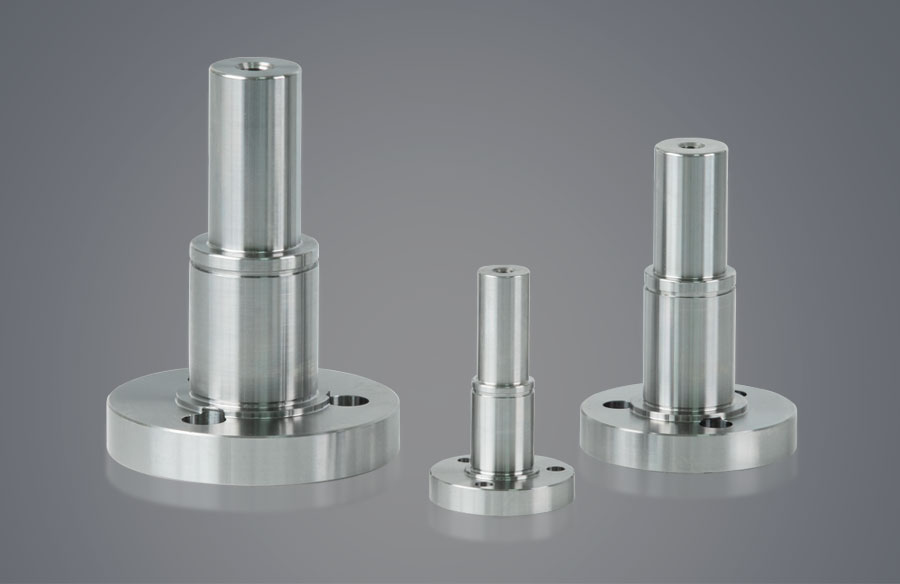
![Encoder gear [customized]](ptogearboxes/xiaoE/upload/file/img/2020/10/5f9a7c8ae4b27.jpg)